Wood Pellets vs. Fossil Fuels: Environmental Impact Analysis
Kingwood · May 26, 2026
lang: “en” origin_url: “https://www.kingwood-china.com/new/industry-news/comparative-analysis-of-environmental-impacts-of-wood-pellets-and-fossil-fuels.html” heroImage: “/img/0b6bce3dde67.jpg” pubDate: “2026-05-26” author: “Kingwood” tags:
- “Wholesale wood pellets”
- “Wood Pellet Mill Manufacturer”
Wood Pellets and Fossil Fuels: A Lifecycle Emissions Comparison
The case for biomass pellets as an industrial fuel alternative to fossil fuels rests not on sentiment but on measurable emissions data, fuel economics, and supply chain logistics. For industrial procurement teams, energy managers, and project developers evaluating fuel switching, the critical question is not whether wood pellets are “greener” in the abstract — it is whether they deliver quantifiable environmental and cost performance at operating scale.
Across three key lifecycle stages — production, transportation, and combustion — biomass pellets consistently outperform coal and heavy fuel oil on the metrics that matter most to industrial operators: sulfur dioxide output, ash generation, dioxin levels, and total carbon contribution.
Production Stage: Feedstock Origin and Processing Emissions
Fossil fuel extraction — whether coal mining, offshore drilling, or hydraulic fracturing — involves ground disturbance, methane venting, and infrastructure-intensive processing before any energy is delivered. Each stage introduces environmental liability that is difficult to offset.
Biomass pellet production begins differently. Feedstock typically consists of wood processing residues — sawdust, shavings, bark offcuts — material that would otherwise decompose anaerobically and release methane, a greenhouse gas with roughly 80 times the short-term warming potential of CO₂. Redirecting this waste stream into pellet production removes a methane emission source while generating a useful energy product.
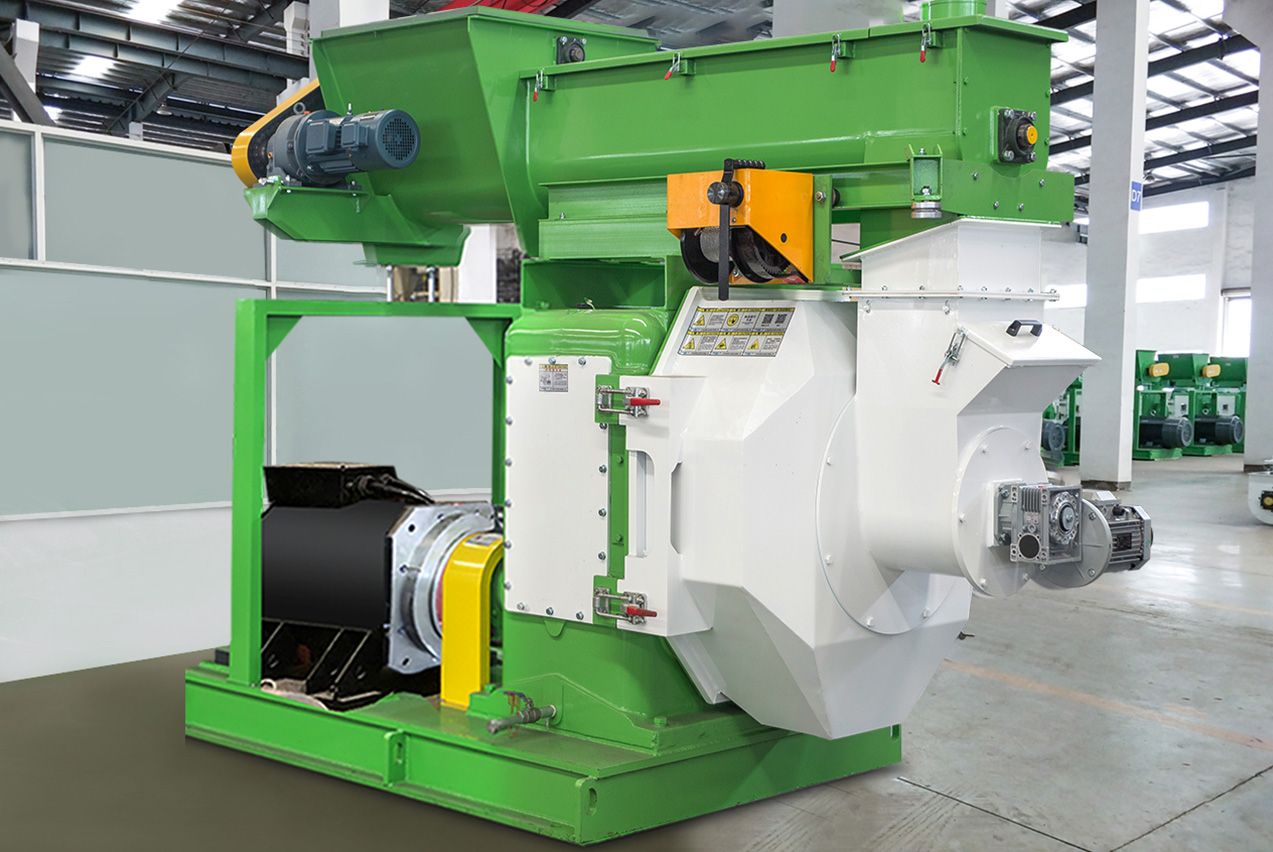
The pelletizing process itself is energy-intensive, but this energy input can be sourced from renewable electricity or process heat, reducing the net carbon cost of production. Kingwood’s wet-feed biomass pellet production lines are designed to handle high-moisture biomass — including fresh wood chips and agricultural residue — through an integrated sequence of crushing, drying, fine grinding, pelletizing, cooling, and packaging, all within a fully enclosed and automated system.
Kingwood’s Three-Standardization Framework mandates that all production lines are integrated, dust-free, and automated. This is not a marketing designation — it means pellet manufacturing facilities built around Kingwood equipment generate no fugitive dust emissions during operation and operate under continuous process control. The dust-free requirement directly reduces occupational health exposure and eliminates a secondary particulate emission source that unenclosed facilities routinely produce.
Combustion Stage: Emissions Data Against Key International Standards
The combustion performance of biomass pellets versus fossil fuels is where the environmental case is most clearly quantifiable. The following specifications reflect Kingwood-grade industrial biomass pellets:
| Parameter | Kingwood Pellet Spec | Fossil Fuel (Coal, typical) |
|---|---|---|
| Calorific Value | 4,800 kcal/kg | 5,000–6,500 kcal/kg (varies) |
| Moisture Content | < 15% | < 10% (processed coal) |
| Sulfur Content | < 0.3% | 0.5–3%+ |
| Ash Content | < 18% | 10–40% |
| Dioxin | < 0.5 ng TEQ | Variable, often higher |
All emission indicators for Kingwood-specification pellets fall below China’s GB13271-2001 national Emission Standard of Air Pollutants for Boilers. Sulfur content at or below 0.5% also satisfies Japanese import specifications. Ash content below 20% meets ISO standards.
The practical implication: industrial boilers firing on biomass pellets generate substantially less sulfur dioxide, a primary precursor to acid rain and respiratory disease, and produce less ash residue per unit of heat delivered. Where coal-fired systems require significant flue gas desulfurization investment, biomass pellet systems at equivalent scale typically do not.
Carbon dynamics are also structurally different. Coal combustion releases carbon that has been geologically sequestered for hundreds of millions of years, representing a net addition to the active carbon cycle. Biomass combustion releases carbon that was absorbed from the atmosphere within decades — provided the source forest is sustainably managed or the feedstock is waste material. This distinction is the basis on which biomass is classified as carbon-neutral under major international energy frameworks.
Transportation and Supply Chain Considerations
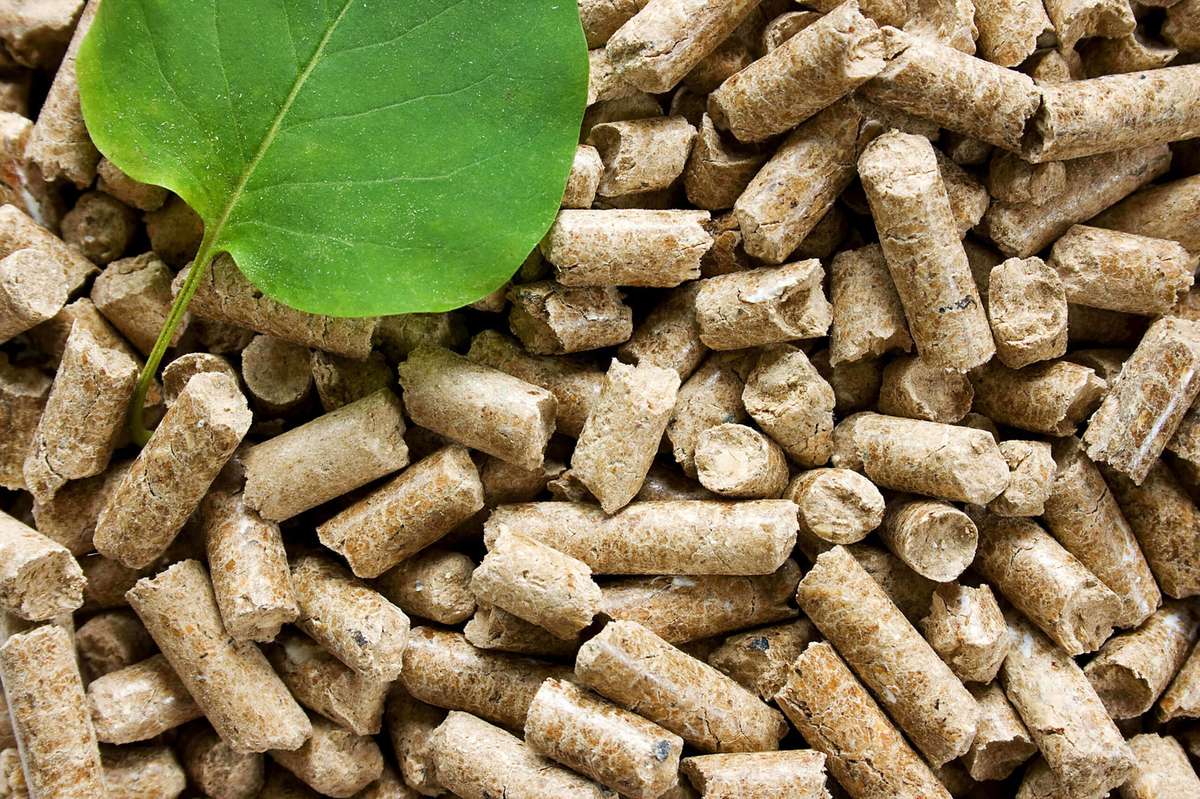
Biomass pellets are dense, dry, and uniform — properties that make bulk logistics straightforward. Standard pellet densities allow high-volume transport by container, bulk vessel, or rail without the specialized cryogenic or pressurized handling requirements associated with liquefied natural gas. This logistics simplicity reduces per-unit transport emissions and lowers supply chain capital requirements for importers and industrial buyers.
Fossil fuel transport infrastructure — pipelines, tankers, terminal storage — carries both capital cost and ongoing leak and spill risk that adds environmental liability across the supply chain. Wood pellet storage and handling, by contrast, requires standard enclosed warehousing and mechanical conveying — equipment categories that wholesale wood pellets mill manufacturers like Kingwood supply as integrated auxiliary systems alongside pelletizing lines.
Economic Performance: The 40–50% Cost Reduction Case
Beyond environmental metrics, biomass pellets offer a direct cost advantage for industrial energy buyers. Switching from fossil fuels to industrial-grade biomass pellets can reduce fuel expenditure by 40–50%, depending on regional fossil fuel pricing and local pellet availability.
This cost reduction, combined with tightening carbon taxation and emissions compliance costs for fossil fuel users, means the financial case for biomass pellets is strengthening in most major industrial markets. For industrial operators considering full fuel switching or co-firing arrangements, the economic modeling increasingly favors biomass at scale.
Kingwood has planned and designed over 2,000 production line projects across 30 countries, with combined annual biomass fuel production capacity supported by these installations exceeding 10 million metric tons. For procurement and project development teams evaluating biomass pellet supply chain investment, Kingwood’s case studies provide documented throughput and payback data from operating projects in Vietnam, China, and other markets.
For detailed equipment specifications or to discuss production line design for a specific feedstock and capacity requirement, contact the Kingwood technical sales team directly.
FAQ
How do wood pellet emissions compare to fossil fuels in industrial boiler applications?
Biomass pellets produced to industrial specifications emit sulfur content below 0.3% and ash content below 18%, both significantly lower than coal. All emission indicators for Kingwood-spec pellets fall below China's GB13271-2001 national boiler emission standard.
Are wood pellets genuinely carbon-neutral across their full lifecycle?
When sourced from sustainably managed forests or wood processing waste, the CO₂ released during combustion is reabsorbed by replacement tree growth. Unlike fossil fuels, wood pellets do not introduce carbon that has been sequestered for millions of years into the active carbon cycle.
What moisture and calorific specifications define industrial-grade biomass pellets?
Industrial-grade biomass pellets should carry moisture content below 15% and a calorific value of at least 4,800 kcal/kg to meet EU, ISO, and major Asian market standards. Sulfur content at or below 0.5% satisfies Japanese import requirements.
How much can industrial operators save by switching from fossil fuels to biomass pellets?
Switching from fossil fuels to biomass pellets can reduce fuel costs by 40–50%, depending on local fossil fuel pricing and pellet supply chain efficiency.
What role does pellet production equipment play in minimizing environmental impact?
Closed-loop, dust-free production lines eliminate fugitive dust emissions during manufacturing. Kingwood's Three-Standardization Framework — integrating automated, dust-free, and integrated production lines — ensures that pellet manufacturing itself meets high environmental standards, not just the end fuel product.
Is wood pellet production economically viable at scale?
Yes. Kingwood has designed and planned over 2,000 production line projects globally. Complete wet-feed pellet production lines can process high-moisture biomass feedstock at capacities reaching up to 200,000 metric tons per year, supporting both project-level and utility-scale operations.
What international standards apply to biomass pellet quality?
Key standards include: EU — moisture below 15%; USA — calorific value above 2,500 kcal/kg; Japan — sulfur at or below 0.5%; ISO — ash content below 20%; China GB13271-2001 — dioxin below 1.0 ng TEQ. Kingwood pellet specifications meet or exceed all of these benchmarks.
- Biomass pellets switching from fossil fuels reduces industrial fuel costs by 40–50%. (2025, Kingwood internal technical specification and commercial case documentation, kingwoodpellet.com)
- Global wood pellet demand is projected to reach 50 million metric tons annually by 2027, driven by EU renewable energy mandates and industrial decarbonization targets. (2025, IEA Bioenergy Task 40 — Sustainable International Bioenergy Trade, 2024 update)