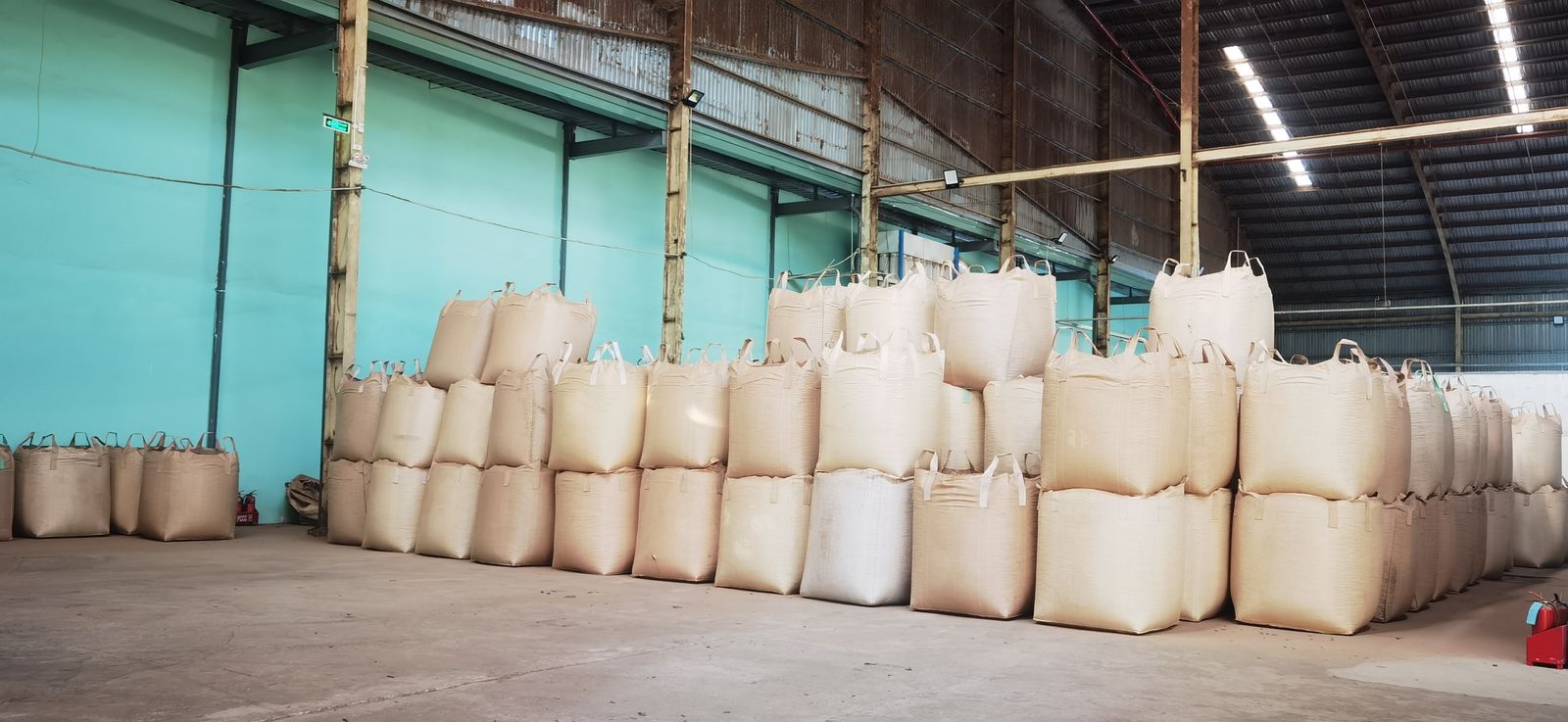
Sweden's Wood Pellet Production Record: 2022 in Numbers
Kingwood · May 26, 2026
Sweden Sets a Wood Pellet Production Record in 2022
According to data from the Swedish National Statistical Office (SCB) and a survey conducted by Tidningen Bioenergi, Sweden produced 1,809,433 metric tons of wood pellets in 2022 — a new national record. Output rose by approximately 56,000 metric tons versus 2021, representing a 3.1% year-on-year growth rate. In energy terms, that volume translated to nearly 9 TWh of renewable energy output, confirming wood pellets as a structural pillar of Sweden’s low-carbon heating and power strategy.
Sweden has sustained bioenergy infrastructure investment across successive policy cycles as part of its renewable energy transition. The 2022 figures confirm that this investment is generating measurable production scale — the kind of throughput that demands industrial-grade pelletizing equipment capable of sustained, high-volume continuous operation.
Trade Dynamics: Imports Up, Exports Down, Domestic Supply Surges
The 2022 production record was accompanied by a clear structural shift in Sweden’s pellet trade balance.
Export volume declined by approximately 50,000 metric tons — an 18% drop versus 2021. Simultaneously, imports rose by 45,000 metric tons, a 29% increase year-on-year. The combined effect was a sharp contraction in net exports, which fell from 129,000 metric tons to just 34,000 metric tons.
For the domestic market, this shift was a net positive. Higher production, increased imports, and reduced outbound shipments added roughly 150,000 metric tons to the total pellet pool available within Sweden. Total domestic market supply reached 1,775,751 metric tons in 2022 — a 9.2% increase over 2021.
These figures indicate a domestic demand environment outpacing what production growth alone can satisfy. Sweden’s industrial boilers and district heating networks are absorbing pellet supply at an accelerating rate, creating durable, long-horizon demand for upstream pelletizing capacity.
What This Means for Biomass Equipment Investment
For operators and investors evaluating biomass pellet production lines, Sweden’s 2022 data provides a concrete demand-side reference point. A market absorbing over 1.7 million metric tons domestically in a single year — growing at more than 9% annually — generates sustained upstream pressure on pelletizing throughput and operational reliability.
At this scale, uptime is non-negotiable. A single unplanned shutdown in a high-throughput line can represent thousands of metric tons of lost output per week. This operational reality underpins the engineering rationale behind Kingwood’s complete biomass pellet production lines: wet-feed lines integrating crushing, coarse grinding, drying, fine grinding, pelletizing, cooling, and packaging into a single automated, enclosed workflow — with integrated dust removal standard under the Three-Standardization Framework.
Kingwood’s wet-feed production lines are engineered for capacities up to 200,000 metric tons per year. Individual pellet mills — including the JWZL-928 (4–5 t/h) and the JZWH-860 horizontal ring die mill (4–5 t/h) — are built for the throughput densities that commercial-scale biomass fuel operations require. Dust-free enclosures address both regulatory compliance and workplace safety at production scale, reducing maintenance burden and improving operational continuity.
Operators evaluating entry into high-demand markets can reference a directly comparable deployment in the 24 t/h Vietnam wood chip pellet production line case, which documents the throughput architecture and equipment configuration applicable to similarly scaled supply chains.
Sweden’s 2022 wood pellet production record is not an isolated data point. It reflects a policy-driven structural shift toward biomass energy across Northern Europe — one that continues to generate measurable, growing demand for reliable, high-capacity pellet production equipment from industrial buyers across the region and beyond.
FAQ
How much wood pellet did Sweden produce in 2022?
Sweden produced 1,809,433 metric tons of wood pellets in 2022, a 3.1% increase over 2021, according to data from the Swedish National Statistical Office (SCB) and Tidningen Bioenergi.
What was the total wood pellet supply in the Swedish domestic market in 2022?
Total pellet supply available in the Swedish market reached 1,775,751 metric tons in 2022, a 9.2% increase — approximately 150,000 metric tons — over 2021.
How did Sweden's pellet trade balance shift in 2022?
Net exports fell from 129,000 metric tons to 34,000 metric tons. Exports declined by roughly 50,000 metric tons (an 18% drop), while imports rose by 45,000 metric tons (a 29% increase).
What energy output did Sweden's wood pellet sector generate in 2022?
Sweden's wood pellet production generated nearly 9 TWh of energy output in 2022, underlining the fuel's central role in the country's renewable heating and power mix.
Why did Sweden's domestic pellet supply grow despite falling exports?
Higher domestic production, a 29% surge in imports, and an 18% reduction in exports collectively added approximately 150,000 metric tons to the domestic supply pool — a net 9.2% gain year-on-year.
What does Sweden's 2022 record mean for biomass pellet equipment investment?
Sustained production growth at scale — over 1.8 million metric tons per year — signals long-term feedstock demand and justifies capital investment in high-throughput pellet production lines and ancillary processing equipment.
What equipment does Kingwood supply for large-scale wood pellet production?
Kingwood supplies complete wet-feed biomass pellet production lines designed for up to 200,000 metric tons per year, including hammer mills, drum chippers, drum dryers, ring die pellet mills, counter-flow coolers, and automated dust-free enclosures.
- Sweden produced 1,809,433 metric tons of wood pellets in 2022, a 3.1% year-on-year increase over 2021. (2022, Swedish National Statistical Office (SCB) / Tidningen Bioenergi survey, 2022)
- Total domestic pellet supply in Sweden reached 1,775,751 metric tons in 2022, up 9.2% (approximately 150,000 metric tons) compared to 2021. (2022, Swedish National Statistical Office (SCB) / Tidningen Bioenergi survey, 2022)